
Introduction
Frontend vs Backend Development is one of the most common topics beginners face when starting a career in web development. Many people feel confused about which path to choose, what skills are required, and how both roles work together. This confusion is normal, especially when you are new to the tech world. Understanding frontend vs backend development clearly can save you time, effort, and frustration later.
In simple terms, websites and web applications are built using two main sides. One side is what users see and interact with, and the other side works quietly behind the scenes. Frontend vs backend development explains this division of work in a structured way. Each side has its own tools, languages, responsibilities, and career opportunities.
What is Frontend vs Backend Development?
Frontend vs backend development refers to the two main parts of building and running a website or web application. Both are essential, and neither can work properly without the other.
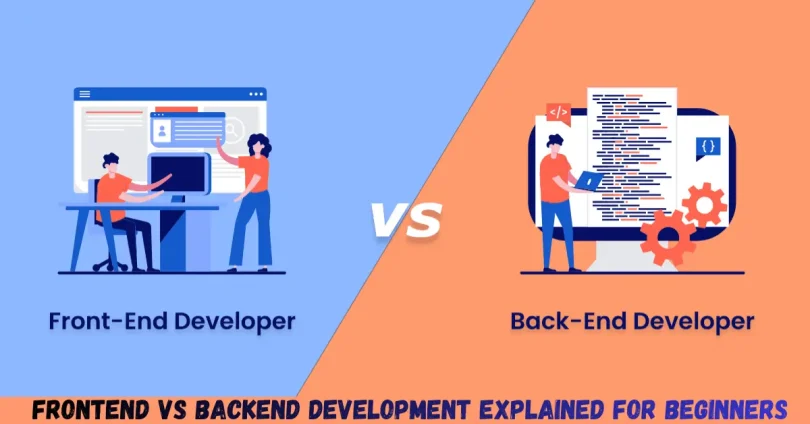
Frontend development focuses on everything users see on their screens. This includes layout, colors, buttons, menus, forms, images, and animations. A frontend developer makes sure the website looks good, loads fast, and works smoothly on different devices.
Backend development, on the other hand, handles everything users do not see. This includes servers, databases, user authentication, and data processing. A backend developer ensures that data is stored safely and delivered correctly when users interact with the site.
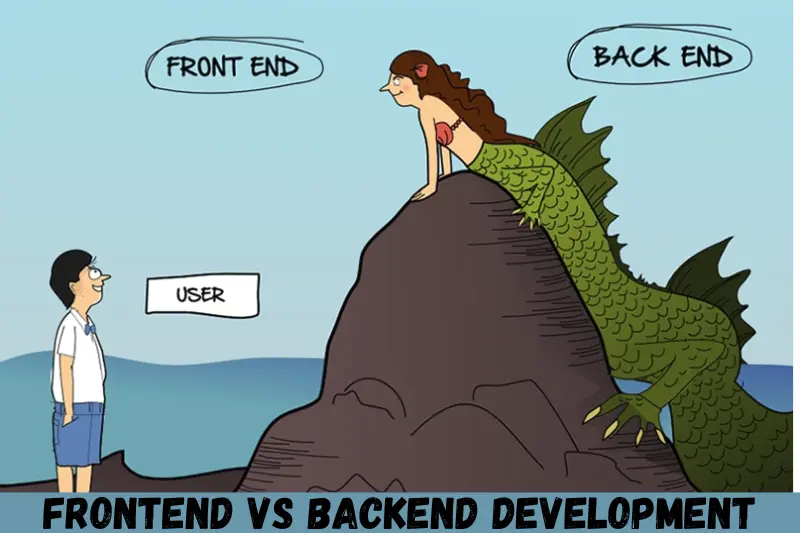
To understand frontend vs backend development easily, think of a restaurant. The dining area and menu are the frontend, while the kitchen and storage rooms are the backend. Both must work together to deliver a good experience.
Why is Frontend vs Backend Development Important?
Understanding frontend vs backend development is important for several reasons. It helps individuals and teams build better digital products and plan careers more effectively.
First, it creates clarity. When roles are clearly defined, projects move faster and communication improves. Developers know their responsibilities and avoid confusion.
Second, it improves user experience. A strong frontend attracts users, while a reliable backend keeps them coming back. Together, they create trust and satisfaction.
Third, it helps beginners choose a career path. Some people enjoy design and visual work, while others prefer logic and data handling. Frontend vs backend development highlights these differences clearly.
Finally, businesses benefit because they can hire the right talent for the right tasks. This leads to better performance, security, and scalability.
Detailed Step-by-Step Guide
Step 1: Understanding Frontend Development
Frontend development is all about user interaction. It focuses on how a website looks and feels.
Frontend developers work with technologies that run in the browser. Their main goal is to create a smooth and attractive user experience.
Common frontend responsibilities include designing layouts, improving performance, and making websites responsive.
Step 2: Core Frontend Technologies
Frontend development usually starts with three core technologies.
HTML is used to structure content. CSS is used to style and design the layout. JavaScript adds interactivity and dynamic behavior.
Modern frontend development also includes frameworks that simplify work and improve efficiency.
Step 3: Understanding Backend Development
Backend development focuses on logic, data, and system performance. It runs on servers rather than in browsers.
Backend developers build systems that handle user requests, process data, and return results to the frontend.
They ensure security, speed, and reliability at all times.
Step 4: Core Backend Technologies
Backend development uses programming languages that run on servers.
These languages communicate with databases and manage application logic. Backend developers also work with servers and APIs.
Databases store user information, content, and application data securely.
Step 5: How Frontend and Backend Work Together
Frontend vs backend development is not a competition. It is a collaboration.
When a user clicks a button, the frontend sends a request to the backend. The backend processes the request and sends data back. The frontend then displays the result.
This smooth communication creates a complete user experience.
Step 6: Choosing the Right Path
Choosing between frontend vs backend development depends on personal interest.
If you enjoy visuals and interaction, frontend may suit you. If you enjoy logic and problem-solving, backend may be better.
Some developers choose to learn both and become full stack developers.
Benefits of Frontend vs Backend Development
- Clear separation of responsibilities
- Better teamwork and collaboration
- Improved website performance
- Scalable and secure systems
- Easier maintenance and updates
- Better user experience
- Flexible career options
Disadvantages / Risks
- Communication gaps between teams
- Higher learning curve for beginners
- Dependency on multiple technologies
- Security risks if backend is poorly designed
- Performance issues if frontend is overloaded
Common Mistakes to Avoid
Many beginners make mistakes when learning frontend vs backend development.
One common mistake is trying to learn everything at once. This leads to confusion and burnout.
Another mistake is ignoring basic concepts. Strong fundamentals are more important than tools.
Some learners also focus only on frontend or backend without understanding how they connect. This limits growth.
Finally, not practicing enough is a major mistake. Real learning happens through projects.
FAQs
What is the main difference between frontend and backend development?
Frontend development handles the visual and interactive part of a website. Backend development manages logic, servers, and databases behind the scenes.
Which is easier to learn, frontend or backend development?
Frontend is often easier for beginners because results are visible quickly. Backend may feel more complex due to logic and data handling.
Can one person learn both frontend and backend development?
Yes, many developers learn both and become full stack developers. This requires time, practice, and patience.
Is frontend vs backend development relevant for mobile apps?
Yes, the same concept applies. Mobile apps also have user interfaces and backend systems.
Which career pays more, frontend or backend development?
Pay depends on skills, experience, and location. Both roles offer strong career opportunities.
How long does it take to learn frontend vs backend development?
Basic skills can be learned in a few months. Mastery takes years of practice and real-world experience.
Expert Tips & Bonus Points
Start with one path and build strong basics. Practice regularly with small projects.
Learn how frontend communicates with backend using real examples.
Focus on problem-solving rather than memorizing tools.
Stay updated with trends but avoid chasing every new technology.
Most importantly, enjoy the learning process and stay consistent.
Conclusion
Frontend vs backend development is a foundational concept in modern web development. Understanding it helps beginners build confidence and choose the right direction. Both frontend and backend play equally important roles in creating functional, secure, and user-friendly websites.
Frontend development focuses on design, interaction, and user experience. Backend development focuses on logic, data, and system reliability. Together, they form a complete digital solution that users can trust and enjoy.