
Introduction
Website Design And Development Trends are changing faster than ever before. As technology improves and user expectations grow, websites must do more than just look good. They need to be fast, secure, easy to use, and designed with real people in mind. For beginners and intermediate learners, understanding these changes can feel confusing at first. However, learning the basics can help you make smarter decisions and build better websites.
In today’s digital world, your website is often the first impression people have of your brand or business. A slow or outdated site can quickly push visitors away. On the other hand, a modern and well-structured website builds trust, improves engagement, and increases conversions. This is why website design and development trends are no longer optional. They are essential for online success.
What is Website Design and Development Trends?
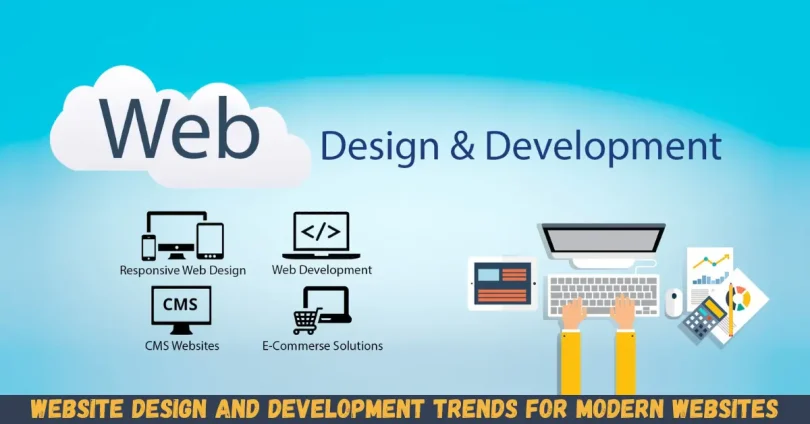
Website design and development trends refer to the popular styles, tools, techniques, and practices used to build modern websites. These trends shape how websites look, function, and feel to users. Design trends focus on visual elements, layout, colors, and user experience. Development trends focus on performance, security, coding practices, and functionality.
Simply put, design handles how a website appears, while development manages how it works behind the scenes. Website design and development trends combine both aspects to create websites that are attractive and functional. For example, a clean layout with fast loading speed is both a design and development trend.
These trends are influenced by user behavior, new devices, and technology improvements. As people use mobile phones more than desktops, responsive design has become a major trend. Similarly, as users expect instant results, performance optimization is now a priority.
Following trends does not mean copying blindly. Instead, it means understanding what works best today and adapting it to your goals. When used correctly, website design and development trends help create better user experiences and long-term success.
Why is Website Design and Development Trends Important?
Website design and development trends are important because they directly impact how users interact with your website. A modern site feels trustworthy and professional, while an outdated one can make visitors leave quickly.
First, trends improve user experience. Simple navigation, readable fonts, and fast loading times make websites easier to use. Users stay longer when they feel comfortable.
Second, trends support search engine optimization. Search engines reward websites that load fast, work well on mobile, and provide clear structure. By following website design and development trends, you naturally support better rankings.
Third, trends help you stay competitive. Most businesses are improving their websites regularly. If your site looks old or slow, users may choose a competitor instead.
Finally, trends help future-proof your website. Modern development practices make it easier to update, scale, and secure your site over time. This saves money and effort in the long run.
Detailed Step-by-Step Guide
Step 1: Understand Your Audience
Before applying any trend, know who your users are. Identify their age, devices, goals, and problems. This helps you choose trends that fit real needs instead of guessing.
Step 2: Focus on Mobile-First Design
Most users browse on mobile devices. Start designing for small screens first, then expand for larger screens. This approach improves usability and performance.
Step 3: Use Clean and Simple Layouts
Modern websites avoid clutter. Use white space, clear headings, and simple navigation. This makes content easier to read and understand.
Step 4: Optimize Website Speed
Fast loading is a key part of website design and development trends. Compress images, reduce unnecessary scripts, and use clean code to improve speed.
Step 5: Improve Accessibility
Design your website so everyone can use it. Use readable fonts, proper contrast, and clear labels. Accessibility is both ethical and practical.
Step 6: Add Interactive Elements Carefully
Small animations, hover effects, and interactive buttons can improve engagement. However, use them carefully so they do not slow down the site.
Step 7: Secure Your Website
Security is a major development trend. Use secure hosting, regular updates, and proper data protection methods to keep users safe.
Step 8: Test and Improve Regularly
Trends change, and user behavior evolves. Regular testing helps you identify problems and improve your website over time.
Benefits of Website Design and Development Trends
- Better user experience and satisfaction
- Faster website performance
- Improved search engine visibility
- Higher engagement and conversion rates
- Easier maintenance and updates
- Stronger brand credibility
- Better mobile usability
Disadvantages / Risks
- Trends can change quickly
- Overuse of trends may confuse users
- Some trends require technical skills
- Poor implementation can slow down websites
- Higher initial development costs
Common Mistakes to Avoid
One common mistake is following trends without purpose. Not every trend fits every website. Always focus on user needs first.
Another mistake is ignoring performance. Heavy designs and unnecessary features can slow down your site. Speed should always be a priority.
Many beginners also forget accessibility. Ignoring this can limit your audience and create usability issues.
Finally, failing to test updates can cause errors. Always test changes before making them live.
FAQs
What are website design and development trends?
They are modern practices and techniques used to build visually appealing, functional, and user-friendly websites.
How often do these trends change?
Some trends change yearly, while others last longer. Core principles like usability and performance remain important.
Are trends important for small websites?
Yes, even small websites benefit from modern design and development practices.
Can beginners follow these trends easily?
Yes, many trends focus on simplicity and usability, making them beginner-friendly.
Do trends affect SEO?
Yes, many website design and development trends support better SEO through speed, mobile support, and user experience.
Should I redesign my website every year?
Not necessarily. Regular updates and improvements are often enough without full redesigns.
Expert Tips & Bonus Points
Focus on users, not trends alone. Choose trends that solve real problems and support your goals.
Keep learning and testing. Trends evolve, and staying curious helps you adapt smoothly.
Use simple tools and frameworks that are easy to maintain. Complexity often causes issues later.
Balance creativity with performance. A beautiful website should also be fast and reliable.
Conclusion
Website design and development trends play a crucial role in building successful modern websites. They help improve user experience, performance, and visibility in search engines. By understanding and applying these trends wisely, beginners and intermediate learners can create websites that feel professional and trustworthy.
The key is balance. Do not follow every trend blindly. Instead, choose the ones that match your audience, goals, and resources. Focus on simplicity, speed, accessibility, and security. These core ideas remain valuable even as trends change.