
Introduction
Launching a new product is an exciting journey, but it can also be overwhelming. Many businesses invest significant time, effort, and resources into developing a product, only to struggle with its launch. The key to a successful launch is having a well-planned Marketing Strategy For Product Launch. This strategy ensures your product reaches the right audience, generates interest, and ultimately drives sales.
A strong launch strategy combines research, planning, promotion, and feedback. It helps you identify your target audience, create effective messaging, and choose the right marketing channels. Without a strategy, even the most innovative products can fail to gain attention.
What is Marketing Strategy for Product Launch?
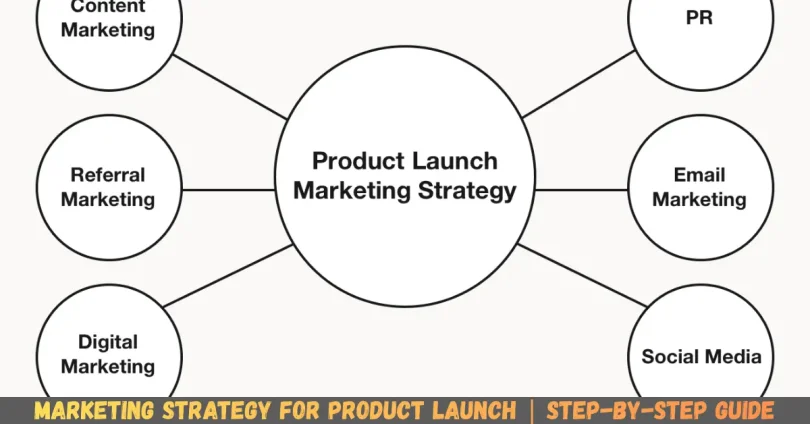
A marketing strategy for product launch is a detailed plan designed to introduce a new product to the market effectively. It includes identifying your target audience, positioning your product, and promoting it through various marketing channels. The goal is to create awareness, generate interest, and drive sales during the critical launch period.
The strategy often combines multiple components such as:
- Market research to understand customer needs
- Competitive analysis to identify market gaps
- Messaging and branding to communicate product value
- Multi-channel promotion using digital and traditional methods
Simply put, a product launch strategy ensures that your product doesn’t just exist in the market—it stands out, resonates with your audience, and encourages them to take action.
Why is Marketing Strategy for Product Launch Important?
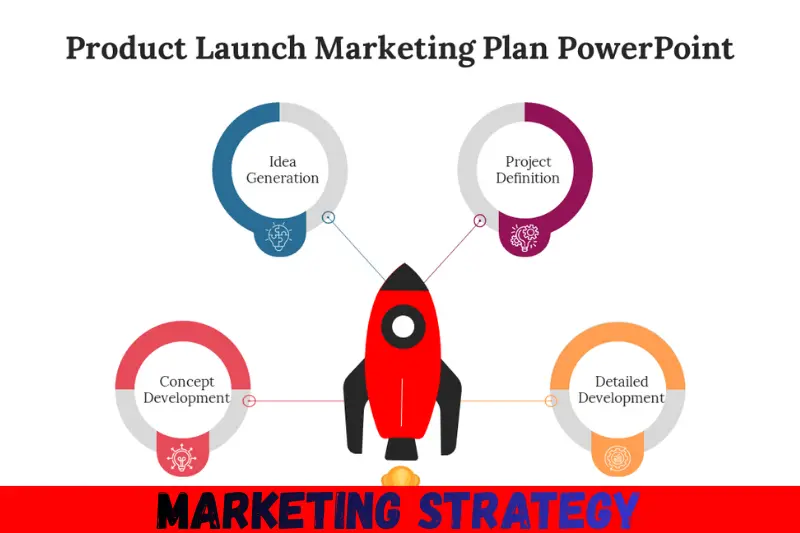
Launching a product without a strategy is like sailing a ship without a compass. A marketing strategy for product launch is crucial because it:
- Targets the Right Audience – Ensures your marketing efforts reach people most likely to buy your product.
- Creates Awareness – Builds visibility for your product before, during, and after launch.
- Generates Early Sales – Effective strategies attract early adopters and loyal customers.
- Reduces Risks – Minimizes the chances of a failed launch due to poor planning or messaging.
- Builds Brand Reputation – A professional and organized launch enhances credibility and trust.
- Maximizes ROI – Focused efforts prevent wasted marketing spend and resources.
Without a structured strategy, you risk low engagement, poor sales, and wasted resources. A strong plan gives your product a solid foundation for success in the competitive market.
Detailed Step-by-Step Guide
Step 1: Conduct Market Research
Before launching, you must understand the market:
- Identify your target audience’s demographics, preferences, and pain points.
- Study competitors’ products, pricing, and marketing strategies.
- Conduct surveys, focus groups, or social listening to gather insights.
Example: If launching a fitness tracker, research what features users love in current trackers and identify gaps you can fill.
Step 2: Define Your Unique Selling Proposition (USP)
Your USP is what makes your product different and better.
- Highlight features that solve a problem or fulfill a need.
- Focus on benefits, not just features.
- Keep your message simple and clear.
Example: “Our eco-friendly water bottle keeps drinks cold for 24 hours, unlike competitors that only last 12 hours.”
Step 3: Set Clear Goals
Establish measurable objectives for your launch:
- Number of units sold
- Website traffic targets
- Social media engagement
- Email sign-ups or leads
SMART goals (Specific, Measurable, Achievable, Relevant, Time-bound) make it easier to track progress.
Step 4: Develop a Marketing Plan
A marketing plan outlines how you’ll achieve your launch goals. Include:
- Budget: Allocate funds for advertising, content creation, events, and promotions.
- Channels: Choose platforms like social media, email, paid ads, influencer marketing, or PR.
- Timeline: Plan pre-launch, launch, and post-launch activities.
Tip: Use a calendar to schedule campaigns, content posts, and email blasts.
Step 5: Build Pre-Launch Buzz
Creating anticipation increases chances of a successful launch. Techniques include:
- Teaser campaigns on social media
- Early access or beta programs
- Email newsletters announcing launch dates
- Contests or giveaways
Example: Apple’s pre-launch announcements create curiosity and media coverage, driving massive early sales.
Step 6: Prepare Marketing Collateral
Ensure all promotional materials are ready:
- Landing pages and product descriptions
- High-quality images and videos
- Press releases and blog posts
- Social media content
Consistency in messaging strengthens your brand and product positioning.
Step 7: Launch Day Execution
On launch day:
- Activate all marketing channels simultaneously.
- Monitor engagement and feedback in real-time.
- Offer limited-time promotions or incentives.
Tip: Provide excellent customer support to handle inquiries and issues quickly.
Step 8: Post-Launch Follow-Up
After the launch, focus on sustaining momentum:
- Gather customer feedback for improvements
- Share success stories or testimonials
- Analyze metrics against goals
- Adjust marketing strategies as needed
Example: Post-launch emails thanking early buyers and offering discounts encourage repeat purchases.
Benefits of Marketing Strategy for Product Launch
- Better Market Understanding: Know your audience and competitors.
- Increased Sales and Revenue: Targeted promotion leads to higher conversions.
- Enhanced Brand Awareness: Reach more people and build recognition.
- Reduced Risk of Failure: Planning mitigates potential issues.
- Improved Customer Engagement: Connect with your audience effectively.
- Data-Driven Decisions: Metrics guide optimization for future launches.
Disadvantages / Risks
- High Costs: Paid ads, content creation, and events can be expensive.
- Time-Consuming: Research, planning, and execution require significant time.
- Market Uncertainty: Even with a strategy, consumer behavior can be unpredictable.
- Overcomplication: Too many steps or channels can confuse your audience.
- Competition Pressure: Competitors may launch simultaneously, affecting results.
Common Mistakes to Avoid
- Ignoring Market Research: Launching without understanding the audience leads to poor reception.
- Weak USP: A product that doesn’t stand out struggles to attract attention.
- Unclear Messaging: Confusing or inconsistent messages reduce trust.
- Underestimating Budget Needs: Running out of funds mid-launch can halt campaigns.
- Neglecting Post-Launch Activities: Ignoring feedback or follow-up limits long-term success.
- Overloading Channels: Spreading too thin can dilute the impact of your launch.
- Not Tracking Metrics: Without monitoring, you cannot measure performance or improve.
FAQs
1. How long should a product launch campaign last?
A typical launch campaign lasts 4–8 weeks, including pre-launch, launch, and post-launch phases. Pre-launch teasers generate buzz, the launch maximizes attention, and post-launch activities sustain momentum.
2. Should I focus on online or offline marketing?
Both have value, but for most startups, online marketing is more cost-effective. Social media, email, and digital ads reach a larger audience. Offline marketing like events and press releases adds credibility.
3. How do I determine my target audience?
Use demographic data, surveys, and competitor analysis. Identify their needs, pain points, and preferences. Create buyer personas to guide marketing messages and channel selection.
4. What is the ideal budget for a product launch?
Budgets vary by industry and product type. Allocate funds across research, content, advertising, events, and promotions. Startups may spend 10–20% of expected revenue on launch marketing.
5. How can I measure the success of my product launch?
Track metrics like sales, website traffic, social engagement, email sign-ups, and media mentions. Compare results with predefined goals to evaluate effectiveness.
6. Is influencer marketing effective for product launches?
Yes. Collaborating with influencers can increase visibility and trust. Choose influencers whose audience aligns with your target market for maximum impact.
7. Can I launch a product without a marketing strategy?
Technically yes, but the chances of success are low. A strategy guides actions, prevents mistakes, and ensures resources are used effectively.
Expert Tips & Bonus Points
- Start Planning Early: Begin your strategy months before launch to avoid last-minute chaos.
- Leverage Social Proof: Collect testimonials, reviews, or case studies to build trust.
- Use Email Marketing: Personalized email campaigns drive engagement and conversions.
- Segment Your Audience: Different messages resonate with different customer groups.
- Test Your Marketing Messages: A/B testing improves effectiveness before full-scale launch.
- Monitor Competitors: Track competitor launches to learn from their successes and mistakes.
- Offer Early-Bird Discounts: Encourage early adoption and generate buzz.
- Create Shareable Content: Videos, infographics, and interactive posts increase reach organically.
Conclusion
A successful marketing strategy for product launch is the backbone of any product’s success. It provides structure, direction, and clarity, helping businesses connect with the right audience and achieve their goals. By conducting thorough research, defining a unique value proposition, and executing a well-planned campaign, you can maximize visibility, generate early sales, and build a loyal customer base.
Remember, a product launch is not just a one-day event; it’s a process that includes pre-launch preparation, launch execution, and post-launch follow-up. Avoid common mistakes, leverage modern marketing channels, and continuously track performance to refine your strategy.