
Introduction
Understanding how software is built can feel confusing for beginners. Many people think software appears instantly, but in reality, it follows a structured process. This is where the Software Development Lifecycle Explained in simple terms becomes helpful. The software development lifecycle explained properly shows how ideas turn into working applications step by step. It provides clarity, direction, and control for developers and businesses alike.
In today’s digital world, almost everything depends on software. From mobile apps to banking systems, each product follows a defined path before reaching users. The software development lifecycle explained helps beginners understand this journey without technical overload. It breaks complex development into manageable stages that anyone can understand.
What is Software Development Lifecycle Explained?

The software development lifecycle explained is a step-by-step process used to design, develop, test, and maintain software applications. It provides a structured approach that ensures software is built efficiently and meets user needs.
Instead of working randomly, developers follow specific phases. Each phase has a clear goal and outcome. This helps teams stay organized and focused throughout the project.
In simple terms, the software development lifecycle explained answers three key questions:
- What needs to be built
- How it should be built
- When each task should be completed
This lifecycle is used by small startups and large enterprises alike. It acts as a roadmap that guides the entire development journey from start to finish.
Why is Software Development Lifecycle Explained Important?
The software development lifecycle explained is important because it reduces confusion and risk. It ensures that everyone involved understands their responsibilities and deadlines.
Without a clear lifecycle, projects can easily fail. Requirements may change, costs may increase, and deadlines may be missed. The lifecycle helps prevent these problems.
Key reasons why it matters include:
- Clear project planning and control
- Better communication between teams
- Higher quality software output
- Reduced development costs
- Easier maintenance and updates
By following the software development lifecycle explained, teams can deliver reliable software that meets user expectations.
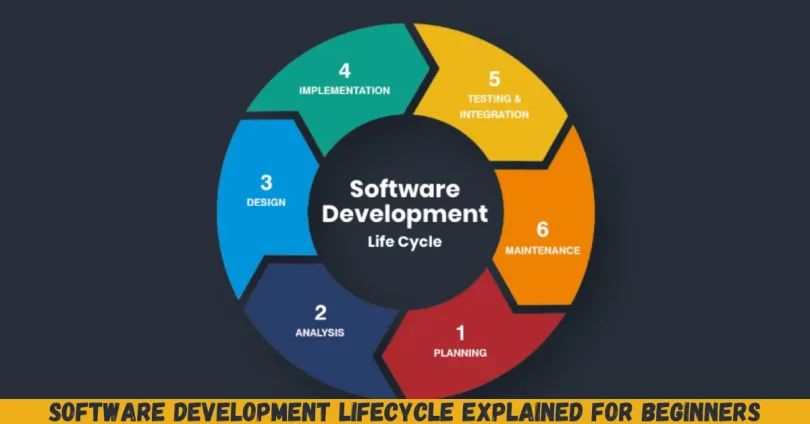
Detailed Step-by-Step Guide
Requirement Analysis
This is the first and most important phase. Teams gather information about what users want from the software. Clear requirements reduce confusion later.
During this phase:
- Stakeholders share expectations
- Developers analyze technical needs
- Goals and limitations are defined
For example, a food delivery app must include ordering, payment, and tracking features.
Planning
Planning focuses on how the project will be executed. Timelines, budgets, and resources are decided here.
Key activities include:
- Creating a project schedule
- Assigning roles and responsibilities
- Identifying risks
Good planning ensures smooth execution and avoids delays.
Design
In the design phase, the software structure is created. This includes system architecture and user interface planning.
Design involves:
- Database structure
- Application flow
- User experience layout
A clear design helps developers build software efficiently.
Development
This is where coding begins. Developers write code based on the design documents.
During development:
- Features are built step by step
- Code is reviewed regularly
- Progress is tracked
This phase turns ideas into working software.
Testing
Testing ensures the software works correctly and safely. Bugs and errors are identified and fixed.
Testing includes:
- Functional testing
- Performance testing
- Security testing
Proper testing improves reliability and user satisfaction.
Deployment
Once testing is complete, the software is released to users. Deployment can be gradual or full-scale.
Deployment involves:
- Installing the software
- Configuring systems
- Monitoring performance
A smooth deployment ensures minimal disruption.
Maintenance
After release, the software requires ongoing support. Bugs are fixed, and updates are added.
Maintenance includes:
- Improving performance
- Adding new features
- Fixing security issues
This phase keeps software relevant and functional.
Benefits of Software Development Lifecycle Explained
- Provides clear structure and organization
- Improves communication and teamwork
- Reduces development risks
- Enhances software quality
- Saves time and money
- Makes future updates easier
Disadvantages / Risks
- Can be time-consuming for small projects
- Requires proper documentation
- Less flexible in traditional models
- Initial planning may seem complex
Common Mistakes to Avoid
Many projects fail due to avoidable mistakes. Understanding these helps improve success.
Common mistakes include:
- Ignoring requirement analysis
- Poor communication between teams
- Skipping testing phases
- Unrealistic timelines
- Lack of user feedback
Avoiding these errors ensures smoother development.
FAQs
What is the main goal of the software development lifecycle explained?
The main goal is to create high-quality software in a structured and efficient way while meeting user needs.
Is the software development lifecycle explained suitable for beginners?
Yes, it simplifies complex development into clear stages, making it easy for beginners to understand.
How long does the software development lifecycle take?
The duration depends on project size and complexity. Small projects take weeks, while large ones may take months.
Can the software development lifecycle explained change during a project?
Yes, modern approaches allow flexibility to adapt to changing requirements.
Who uses the software development lifecycle explained?
Developers, project managers, testers, and businesses use it to manage software projects.
Is testing really necessary in the lifecycle?
Yes, testing ensures software works correctly and prevents future issues.
Expert Tips & Bonus Points
Experts recommend keeping requirements clear and involving users early. Regular communication improves results. Always document changes and review progress. Choosing the right lifecycle model based on project needs increases success. Continuous learning and improvement keep teams efficient and adaptable.
Conclusion
The software development lifecycle explained clearly shows how software moves from an idea to a finished product. It provides structure, reduces risks, and ensures quality. By following defined phases, teams can plan better, communicate clearly, and deliver reliable software.
For beginners, understanding the lifecycle builds confidence and clarity. It removes confusion and shows that software development is a logical process, not magic. For intermediate readers, it improves project management and technical decision-making.