
Introduction
Launching a new product as a startup is an exciting yet challenging journey. Many entrepreneurs have brilliant ideas, but without a proper Startup Product Launch Plan, these ideas often fail to reach their potential. A launch plan is not just about announcing your product; it’s a strategic roadmap that ensures your product reaches the right audience, gains traction, and starts generating revenue.
For beginners and intermediate business owners, the process can feel overwhelming. Questions like “When should I launch?”, “How do I attract my first customers?”, and “What marketing strategies work best?” are common. The good news is that with a well-structured plan, you can simplify these decisions, reduce risks, and increase the chances of a successful launch.
What is a Startup Product Launch Plan?
A startup product launch plan is a strategic blueprint that outlines all the steps required to bring a new product from development to the market. It defines objectives, target audience, marketing strategies, timelines, budgets, and metrics to measure success.
Think of it as a playbook that helps your startup navigate the complex process of introducing a product. It ensures that everyone in your team—from product development to marketing—is aligned and working towards the same goals.
Key components of a launch plan include:
- Product positioning and messaging
- Target audience identification
- Marketing and promotion strategies
- Pre-launch, launch, and post-launch activities
- Success metrics and feedback loops
A clear plan reduces guesswork, minimizes risks, and increases the chances of a smooth and impactful launch.
Why is a Startup Product Launch Plan Important?
Launching a product without a plan is like sailing a ship without a compass. Here’s why a structured startup product launch plan is crucial:
- Clear Direction: It gives your team a roadmap, so everyone knows their responsibilities and deadlines.
- Market Readiness: Helps ensure your product meets market demands and customer expectations.
- Budget Management: Planning helps allocate resources effectively, avoiding overspending.
- Customer Engagement: You can create anticipation and excitement, leading to higher adoption rates.
- Risk Reduction: By identifying potential challenges ahead of time, you can minimize mistakes.
- Performance Tracking: Establishing KPIs allows you to measure success and adjust strategies if needed.
A product launch plan doesn’t just increase your chances of initial success; it also sets a strong foundation for long-term growth.
Detailed Step-by-Step Guide to a Startup Product Launch Plan
Launching a startup product involves careful preparation. Here’s a step-by-step guide to help you execute your launch smoothly.
Step 1: Define Your Product and Goals
Before any marketing or promotion, you need to clarify:
- What problem does your product solve?
- Who is your target audience?
- What are your short-term and long-term goals?
Example: If you are launching a project management app for small businesses, your goal may be to acquire 500 active users within three months.
Step 2: Market Research and Competitor Analysis
Research your market to understand:
- Customer needs and pain points
- Competitor offerings and pricing
- Market trends and opportunities
This step ensures your product stands out and addresses a genuine market gap.
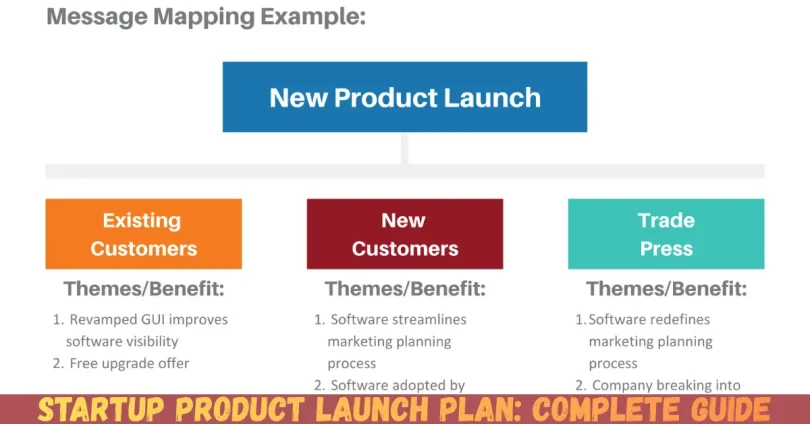
Step 3: Product Positioning and Messaging
Define how your product will be perceived:
- Unique Selling Proposition (USP)
- Key benefits and features
- Brand tone and voice
Example: “Our app saves small business owners 5+ hours a week by simplifying task management.”
Step 4: Pre-Launch Preparation
Activities before the official launch include:
- Building a landing page or website
- Creating teaser campaigns on social media
- Collecting early sign-ups or beta testers
- Preparing content like blog posts, videos, and emails
This phase generates anticipation and builds a potential customer base.
Step 5: Marketing Strategy
Decide on the channels you will use to reach your audience:
- Social media marketing (Facebook, Instagram, LinkedIn)
- Email marketing campaigns
- Influencer partnerships
- Paid ads (Google Ads, social media ads)
- PR and media coverage
Mix and match strategies based on your budget and audience.
Step 6: Launch Day Execution
On launch day, ensure everything runs smoothly:
- Website and payment systems are functional
- Marketing campaigns go live
- Customer support is ready to handle inquiries
Consider hosting a live event, webinar, or demo to attract attention.
Step 7: Post-Launch Activities
After the launch, focus on:
- Collecting customer feedback
- Monitoring KPIs like sales, website traffic, and social engagement
- Resolving any product issues
- Engaging with early adopters for testimonials and reviews
Step 8: Analyze and Optimize
Review the launch performance:
- What worked and what didn’t?
- Which marketing channels drove the most conversions?
- How can you improve future launches?
Use this data to refine your product and marketing strategies.
Benefits of a Startup Product Launch Plan
A well-executed launch plan offers numerous advantages:
- Increases chances of market success
- Reduces financial and operational risks
- Builds customer trust and credibility
- Helps attract early adopters and media attention
- Provides measurable results to inform future strategies
- Ensures your team is aligned and productive
- Enhances brand visibility and awareness
Disadvantages / Risks of a Product Launch
While a launch plan minimizes risks, some challenges remain:
- Requires significant time and effort to prepare
- Budget constraints may limit marketing activities
- Market reception can be unpredictable
- Poor execution can harm brand reputation
- Technical issues on launch day may affect user experience
Being aware of these risks allows you to plan contingencies.
Common Mistakes to Avoid
Avoid these pitfalls for a smoother launch:
- Skipping Market Research: Launching without understanding your audience is risky.
- Unclear Messaging: Customers should immediately understand your product’s value.
- Neglecting Pre-Launch Marketing: Building anticipation is crucial for initial traction.
- Ignoring Feedback: Early adopters provide valuable insights; ignoring them is costly.
- Overcomplicating the Product: Launch with a minimum viable product (MVP) and iterate.
- Poor Timing: Avoid launching during holidays or industry events that overshadow your product.
FAQs About Startup Product Launch Plan
1. How long should a product launch plan take to prepare?
Preparation depends on complexity, but generally, 2–3 months of pre-launch planning is ideal for startups.
2. What is the best marketing channel for startups?
It depends on your target audience. Social media, email marketing, and influencer partnerships work well for early-stage startups.
3. Should I launch a minimum viable product (MVP) or full version?
Start with an MVP to test the market and gather feedback. You can improve and expand features post-launch.
4. How do I measure the success of my launch?
Track KPIs like sales, user sign-ups, website traffic, engagement, and customer feedback.
5. How can I create anticipation before launch?
Use teaser campaigns, early access offers, and social media countdowns to build excitement.
6. What if my launch fails?
Analyze what went wrong, gather feedback, and adjust your strategy. Many successful startups learn from failed launches.
7. How important is customer support during a launch?
Customer support is critical. Early adopters may have questions or issues, and prompt support builds trust.
Expert Tips & Bonus Points
- Engage Influencers: Partnering with relevant influencers can amplify your reach.
- Create High-Quality Content: Blog posts, tutorials, and videos educate customers and increase credibility.
- Leverage Email Marketing: Personalized emails can convert leads into paying customers.
- Test Everything: Run A/B tests on landing pages, ads, and messaging to optimize performance.
- Focus on Feedback Loops: Early customer feedback is invaluable for improvements.
- Stay Agile: Be ready to adapt your strategy based on real-time results.
Conclusion
A startup product launch plan is not just a checklist; it’s a strategic roadmap that can make or break your product’s success. By carefully defining your goals, researching your market, crafting compelling messaging, and executing a well-timed marketing strategy, you significantly increase the chances of a successful launch.
Beginners and intermediate entrepreneurs alike benefit from a structured plan, as it provides clarity, reduces risk, and ensures the team is aligned. Remember, launching a product is just the beginning—post-launch analysis, feedback collection, and continuous improvement are equally important for long-term growth.