
Introduction
Launching a tech product is exciting, but it can also be overwhelming, especially for beginners and small teams. There are so many moving parts—from developing the product to marketing it effectively. A single missed step can impact your product’s success and brand reputation. That’s why having a Tech Product Launch Checklist is crucial. It ensures you cover every aspect of the launch, stay organized, and increase your chances of a smooth rollout.
Whether you’re releasing a software app, a gadget, or an online tool, this checklist provides a clear roadmap. Following it step by step can help you save time, reduce stress, and avoid common mistakes that many first-time founders make. In this guide, we’ll cover everything from planning and pre-launch activities to post-launch strategies. By the end, you’ll understand how to launch your product professionally, even if you’re new to the tech world.
What is a Tech Product Launch Checklist?
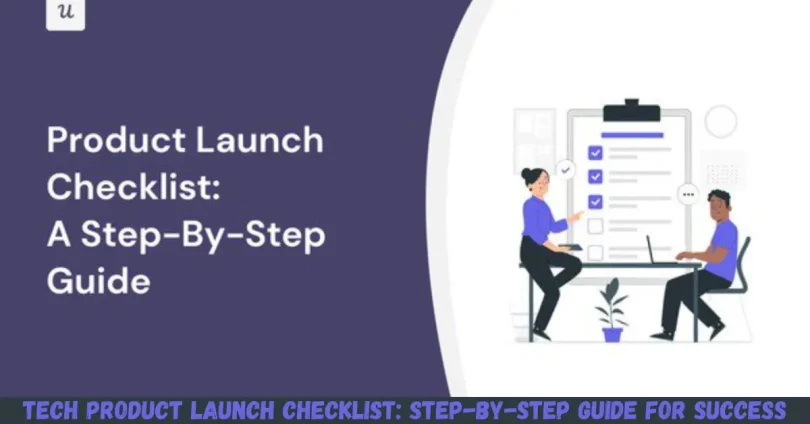
A tech product launch checklist is a detailed plan that outlines every action needed to release a tech product successfully. It’s like a roadmap that keeps teams organized and ensures nothing is forgotten during the complex launch process.
This checklist typically covers:
- Product development stages
- Pre-launch marketing campaigns
- Customer support readiness
- Sales and distribution preparation
- Post-launch analysis
Using a checklist helps everyone involved—from developers to marketers—stay aligned and accountable. It acts as a safety net that minimizes risks and improves efficiency. In simple terms, it is your go-to guide to make sure every step of your product launch is executed smoothly.
Why is a Tech Product Launch Checklist Important?
Launching a product without a proper checklist can lead to missed deadlines, poor user experiences, and lost revenue. Here’s why a tech product launch checklist matters:
- Organization and Clarity – Keeps your team on the same page and tasks clearly defined.
- Time Management – Helps plan timelines effectively and avoid last-minute chaos.
- Risk Reduction – Identifies potential issues before they become critical problems.
- Improved Marketing Strategy – Ensures all promotional activities are aligned with the launch date.
- Enhanced Customer Experience – Guarantees that your product meets user expectations on day one.
Without this structured approach, even a great product can fail due to poor execution. A checklist provides the structure needed to ensure every detail—from testing to marketing—is handled efficiently.
Detailed Step-by-Step Guide
Step 1: Market Research and Analysis
Before launching, you must understand your target audience and competition.
- Conduct surveys and polls to know what users want.
- Study competitors’ launches and identify gaps.
- Analyze pricing models, features, and market trends.
Example: If you’re launching a fitness app, analyze which features users find most useful in similar apps.
Step 2: Define Your Product and Goals
Clear goals guide your launch strategy.
- Define product features and value proposition.
- Set measurable objectives like downloads, sign-ups, or sales.
- Determine launch KPIs to track success.
Step 3: Build a Pre-Launch Marketing Plan
Creating buzz before your launch is critical.
- Prepare social media campaigns and teaser content.
- Collect email subscribers for an early notification list.
- Reach out to bloggers, journalists, or influencers for coverage.
Step 4: Prepare Your Product for Launch
Ensure your product is ready and bug-free.
- Conduct thorough QA testing on multiple devices and platforms.
- Create user manuals, FAQs, and onboarding tutorials.
- Ensure your website or app store page is complete with descriptions and visuals.
Step 5: Pricing and Distribution Strategy
Decide how your product will be sold or distributed.
- Define pricing tiers or subscription models.
- Choose distribution channels—app stores, e-commerce, or direct sales.
- Set up payment gateways and secure transaction systems.
Step 6: Team Coordination and Training
Your team should be fully prepared.
- Train customer support to handle inquiries and issues.
- Align marketing, sales, and tech teams with launch timelines.
- Assign responsibilities and backup plans for emergencies.
Step 7: Launch Day Execution
The big day requires precise execution.
- Ensure all platforms and servers are ready to handle traffic.
- Monitor social media and customer feedback closely.
- Release press announcements and marketing content.
Step 8: Post-Launch Activities
After the launch, the work continues.
- Collect user feedback and track analytics.
- Fix bugs and release updates promptly.
- Review performance against KPIs and refine future strategies.
Benefits of a Tech Product Launch Checklist
- Ensures thorough preparation for a smooth launch.
- Reduces errors and overlooked tasks.
- Boosts team productivity with clear roles and responsibilities.
- Improves user satisfaction by delivering a polished product.
- Enhances marketing efficiency with a pre-planned strategy.
- Helps measure success with predefined KPIs.
Disadvantages / Risks
- Time-consuming to create a comprehensive checklist.
- Can be rigid, limiting flexibility in unexpected situations.
- Over-reliance may lead to ignoring creative opportunities.
- Potential for missed updates if the checklist isn’t revised regularly.
Common Mistakes to Avoid
- Skipping market research – Assumptions without data can lead to failure.
- Ignoring QA testing – Launching with bugs harms reputation.
- Poor marketing preparation – Without buzz, your launch may go unnoticed.
- Unclear goals or KPIs – Difficult to measure success.
- Underestimating team coordination – Miscommunication can cause delays.
- Ignoring customer support – Bad support can ruin first impressions.
FAQs
1. What is the best time to launch a tech product?
The best time depends on your audience and market. Avoid major holidays unless relevant, and consider industry trends or competitor launches.
2. How long should a pre-launch phase last?
Typically, 4–8 weeks is sufficient for marketing teasers, beta testing, and gathering early feedback.
3. Should small startups follow a tech product launch checklist?
Absolutely. Even small teams benefit from structure and organization, ensuring a professional launch.
4. Can I launch without marketing?
You can, but it’s risky. Marketing ensures your target audience knows about your product, increasing adoption and sales.
5. How do I measure a successful launch?
Use KPIs such as downloads, sign-ups, sales, engagement metrics, and customer feedback to measure success.
6. How often should I update my product post-launch?
Regular updates are recommended. Fix bugs immediately and roll out improvements based on user feedback every few weeks or months.
7. Is it necessary to involve influencers for a tech launch?
Not mandatory, but influencer marketing can create buzz and reach a larger audience quickly, especially for consumer-focused products.
Expert Tips & Bonus Points
- Create a launch calendar – Track tasks and deadlines visually.
- Use beta testers – Real user feedback helps fine-tune the product.
- Plan for contingencies – Prepare for technical failures or PR issues.
- Engage your audience – Interactive content or webinars can boost awareness.
- Document everything – Post-launch analysis helps improve future launches.
- Leverage analytics tools – Track real-time performance to act fast.
Bonus: Offer early adopter incentives, like discounts or exclusive features, to build loyalty and initial momentum.
Conclusion
A successful tech product launch is more than just releasing a product—it’s about preparation, strategy, and execution. Following a tech product launch checklist ensures that every step, from market research to post-launch activities, is handled efficiently.
This structured approach reduces risks, saves time, and enhances the overall user experience. By understanding your audience, coordinating your team, and carefully planning marketing, you can significantly increase the chances of a smooth and profitable launch.