
Introduction
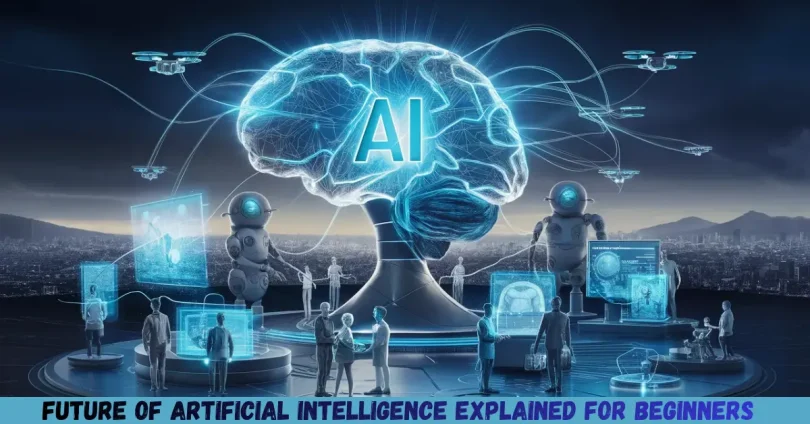
The Future Of Artificial Intelligence is one of the most discussed topics in the modern digital world. From smartphones and smart homes to healthcare and education, intelligent systems are already shaping daily life. However, many beginners still feel confused about what artificial intelligence really means and how it will impact the future. This article is designed to remove that confusion and explain everything in clear and simple language.
The future of artificial intelligence is not about machines replacing humans overnight. Instead, it is about collaboration, automation, and smarter decision-making. Businesses use intelligent tools to save time, governments use them to improve services, and individuals rely on them for convenience. As technology continues to grow, understanding this topic becomes more important for everyone, not just experts.
What is Future of Artificial Intelligence?
The future of artificial intelligence refers to how intelligent systems will develop and improve over time. Artificial intelligence means machines that can learn, think, and make decisions similar to humans. In the future, these systems will become faster, smarter, and more accurate.
Today, artificial intelligence can recognize voices, recommend videos, and analyze data. In the future, it will go beyond simple tasks. It will understand emotions, solve complex problems, and assist humans in creative work.
Another important aspect is learning ability. Future systems will learn from fewer examples and adapt quickly. This means they will become useful in areas like medicine, climate research, and personalized education.
The future of artificial intelligence is not a single invention. It is a continuous process of improvement. Each year, better algorithms, stronger computers, and more data push intelligent systems forward.
Why is Future of Artificial Intelligence Important?
Understanding the future of artificial intelligence is important because it affects everyone. It changes how people work, learn, and communicate.
First, it improves efficiency. Intelligent systems can complete tasks faster than humans, saving time and money. Second, it increases accuracy. In fields like healthcare, even small improvements can save lives.
Third, it creates new opportunities. While some jobs may disappear, many new roles will appear. These include data analysis, system management, and ethical oversight.
Finally, artificial intelligence helps solve global problems. It supports climate research, disease control, and disaster prediction. For these reasons, learning about its future is essential for personal and professional growth.
Detailed Step-by-Step Guide
Step 1: Understanding Current AI Capabilities
Before looking ahead, it is important to understand what artificial intelligence can already do. Current systems analyze data, recognize patterns, and automate repetitive tasks. Examples include chat assistants and recommendation engines.
Step 2: Data Collection and Learning
The future of artificial intelligence depends heavily on data. Systems learn by studying large amounts of information. Better data leads to better results. This step focuses on improving data quality and fairness.
Step 3: Improved Algorithms
Algorithms are the rules that guide intelligent systems. Future algorithms will be more efficient and transparent. They will explain decisions instead of acting like black boxes.
Step 4: Integration into Daily Life
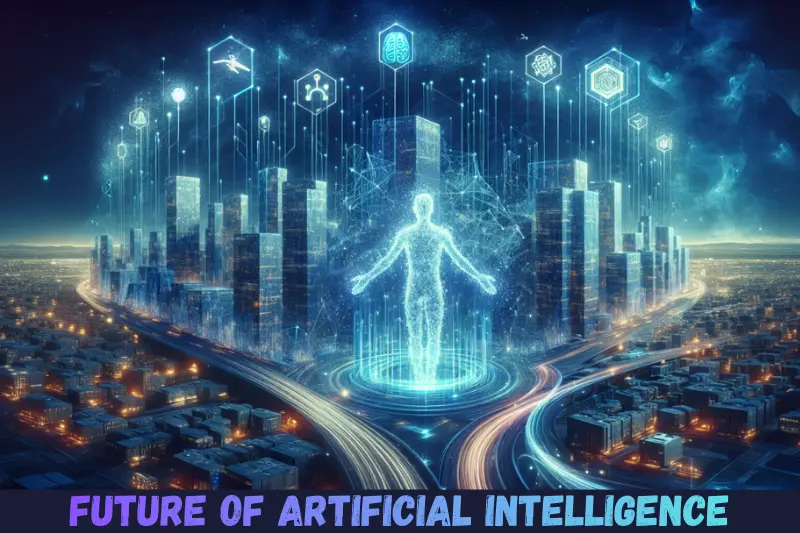
Artificial intelligence will become more common in homes, offices, and public services. Smart cities, automated transport, and virtual assistants will feel natural and easy to use.
Step 5: Ethical and Human Control
The final step focuses on responsibility. Humans must control intelligent systems and ensure they follow ethical rules. This ensures technology benefits society as a whole.
Benefits of Future of Artificial Intelligence
- Faster decision-making in businesses and services
- Improved healthcare diagnosis and treatment
- Personalized learning experiences for students
- Better resource management and sustainability
- Enhanced safety through prediction and monitoring
Disadvantages / Risks
- Job displacement in certain industries
- Privacy and data security concerns
- Bias in decision-making systems
- Overdependence on technology
- Ethical challenges and misuse
Common Mistakes to Avoid
Many people misunderstand the future of artificial intelligence. One common mistake is believing it will replace all jobs. In reality, it changes jobs instead of removing them entirely.
Another mistake is ignoring ethics. Without proper rules, intelligent systems can cause harm. Finally, people often expect instant results. Artificial intelligence improves slowly through continuous learning.
FAQs
What industries will benefit most from artificial intelligence?
Healthcare, education, finance, and transportation will benefit greatly. Intelligent systems improve efficiency and accuracy in these fields.
Will artificial intelligence replace human creativity?
No, it will support creativity. Humans will still lead creative thinking, while machines assist with tools and ideas.
Is artificial intelligence dangerous?
It can be risky if misused. However, with proper rules and human control, it is generally safe and helpful.
How can beginners prepare for the future?
Learning basic digital skills and understanding how intelligent systems work is a good start.
Will artificial intelligence become self-aware?
There is no evidence of that. Future systems will remain tools controlled by humans.
How does artificial intelligence affect daily life?
It improves convenience through smart devices, recommendations, and automated services.
Expert Tips & Bonus Points
Stay updated with technology trends and focus on learning skills that complement intelligent systems. Critical thinking, creativity, and communication will remain valuable. Always consider ethics and long-term impact when using new tools.
Conclusion
The future of artificial intelligence offers exciting opportunities and serious responsibilities. It promises smarter systems, better services, and improved quality of life. At the same time, it requires careful planning, ethical thinking, and human involvement.
Artificial intelligence is not magic or science fiction. It is a practical tool that grows through data, learning, and innovation. By understanding its direction, people can adapt instead of fearing change.