
Introduction
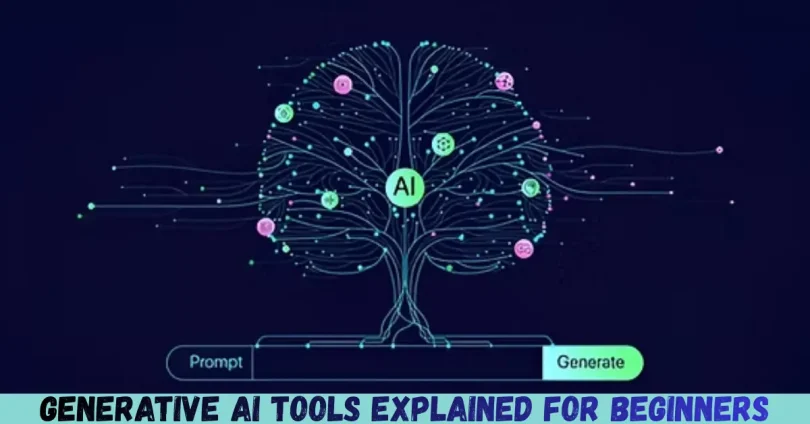
Generative AI tools explained in simple words can help beginners and intermediate users understand a technology that is changing how people work, learn, and create content. These tools are designed to generate text, images, audio, videos, and even code by learning patterns from large amounts of data. Instead of only analyzing information, they actively create new content based on instructions given by users. This ability makes them useful in many fields, including education, marketing, design, customer support, and software development.
Today, Generative AI Tools are no longer limited to tech experts. Students, freelancers, business owners, and content creators are using them to save time and improve productivity. However, many people still feel confused about how these tools work and how to use them safely. That is why generative AI tools explained clearly is so important.
What Is Generative AI Tools Explained?
Generative AI tools are software applications that can create new content instead of just analyzing existing data. They work by using advanced machine learning models trained on large datasets. These models learn patterns, structures, and relationships in data, then use that knowledge to generate fresh outputs.
For example, when you type a question or instruction, the tool predicts the most suitable response based on what it has learned. This process happens very quickly, making the tools feel interactive and intelligent.
Generative AI tools explained simply include text generators, image creators, music composers, video makers, and code assistants. Each type focuses on a specific kind of output but follows the same basic principle. They take input, process it using trained models, and produce new content that feels natural and useful.
Why Is Generative AI Tools Explained Important?
Understanding generative AI tools is important because they are becoming part of everyday life. Many companies already use them to automate tasks and improve efficiency. If you know how these tools work, you can stay competitive and make smarter decisions.
Another reason generative AI tools explained matters is safety. Without proper understanding, users may rely too much on generated content or misuse it. Knowing the limits helps you avoid errors and ethical issues.
Finally, learning about these tools opens new opportunities. Whether you want to improve your skills, start a business, or simply save time, generative AI tools can support your goals when used correctly.
Detailed Step-by-Step Guide
Step 1: Identify Your Goal
Start by deciding what you want to achieve. Are you writing content, designing images, or analyzing data? Clear goals help you choose the right tool and get better results.
Step 2: Choose the Right Tool
Different tools serve different purposes. Some are better for writing, while others focus on visuals or coding. Compare features and select one that matches your needs.
Step 3: Learn Basic Commands
Most generative AI tools work through prompts or instructions. Spend time learning how to write clear and specific prompts. This step greatly affects output quality.
Step 4: Test and Adjust
Run small tests to see how the tool responds. Adjust your prompts based on results. Experimentation helps you understand strengths and weaknesses.
Step 5: Review and Edit Output
Always review generated content. Make changes to ensure accuracy, tone, and relevance. Human judgment is essential.
Step 6: Use Responsibly
Respect ethical guidelines and privacy rules. Avoid sharing sensitive data and always give credit when required.
Benefits of Generative AI Tools Explained
- Saves time by automating repetitive tasks
- Improves productivity and creativity
- Helps beginners perform complex tasks
- Supports multiple industries and roles
- Scales easily for large projects
- Encourages innovation and experimentation
Disadvantages / Risks
- May produce inaccurate information
- Can reduce critical thinking if overused
- Raises ethical and privacy concerns
- Depends heavily on data quality
- Requires human review and supervision
Common Mistakes to Avoid
Many users expect perfect results without effort. This leads to disappointment. Always remember that generative AI tools need guidance.
Another mistake is using vague prompts. Clear instructions produce better outcomes.
Finally, relying completely on generated content without checking accuracy can cause serious issues. Balance automation with human oversight.
FAQs
What are generative AI tools used for?
They are used for creating text, images, videos, code, and more across various industries.
Are generative AI tools difficult to use?
Most tools are user-friendly, especially with practice and clear instructions.
Can beginners use generative AI tools?
Yes, beginners can use them effectively with basic understanding and experimentation.
Are generative AI tools accurate?
They can be accurate but are not perfect. Human review is always needed.
Do generative AI tools replace jobs?
They change how work is done but also create new opportunities and roles.
Are generative AI tools safe?
They are safe when used responsibly and with awareness of risks.
Expert Tips & Bonus Points
Start small and grow your skills gradually. Keep learning about updates and best practices.
Use feedback loops to improve your prompts and outputs. Combine multiple tools for better results.
Always focus on ethical use and transparency to build trust and long-term success.
Conclusion
Generative AI tools explained clearly can empower beginners and intermediate users to take advantage of modern technology without fear. These tools are not magic solutions but practical assistants that work best with human guidance. When used thoughtfully, they save time, boost creativity, and open new possibilities across many fields.
As technology continues to evolve, understanding generative AI tools becomes a valuable skill. Instead of avoiding them, learning how to use them responsibly gives you an advantage. Focus on clear goals, careful review, and continuous learning.